Brake pads aren’t something most drivers think about until there’s a noise, vibration or warning light. But they’re one of the most important safety components on your vehicle, and keeping them in good condition makes a big difference to stopping distance and control.
At DCM Autocentres, we regularly inspect and replace brake pads for drivers across Shaftesbury, Blandford and the surrounding Dorset areas. One of the most common questions we hear is simple: how often should brake pads actually be replaced?
The honest answer is that it depends. But there are clear signs and general guidelines that can help you stay ahead of problems.
How long do brake pads usually last?
On average, brake pads last between 25,000 and 60,000 miles. That range is wide because brake wear depends heavily on how and where you drive.
For example:
- Stop-start driving through Shaftesbury or Blandford town centres can increase wear
- Rural Dorset roads with hills can put extra demand on braking
- Heavier vehicles often wear pads more quickly
- Smooth, steady driving tends to extend brake life
There isn’t a single mileage rule that fits everyone, which is why regular checks matter.
Signs your brake pads may need replacing
Brake pads usually give warning before they become unsafe.
Common signs include:
- Squealing or screeching when braking
- Grinding sounds
- A vibrating brake pedal
- Longer stopping distances
- A brake warning light
If you notice any of these while driving around Shaftesbury, Blandford or further afield, it’s best to have the brakes checked. Leaving it too long can lead to brake disc damage, which increases repair costs.
Why replacing them at the right time saves money
Brake pads are designed to wear out first. They protect the more expensive parts of the braking system.
If they’re replaced at the right time, the rest of the system remains in good condition. If they’re left too long, metal can grind against metal and damage the discs.
A simple brake inspection at your local Shaftesbury or Blandford garage can prevent that.
Do front and rear brake pads wear the same?
Usually not.
On most vehicles, the front brake pads wear faster because they handle the majority of the braking force. Rear pads may last longer but still need regular inspection.
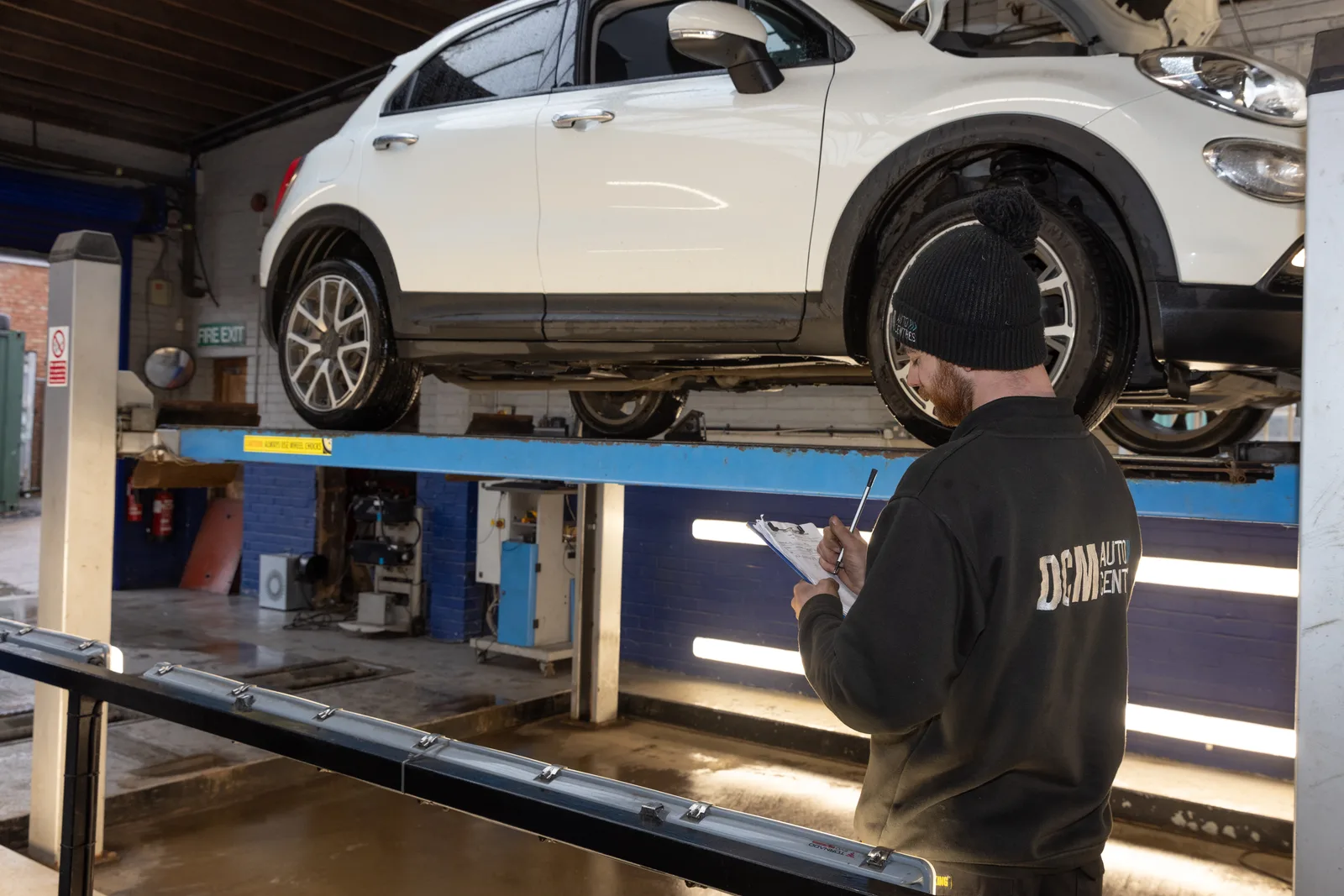
During MOT testing and servicing at our Shaftesbury and Blandford branches, brake components are routinely checked to spot wear before it becomes urgent.
Does driving style really make a difference?
Yes, it does.
Harsh braking, riding the brakes downhill or leaving braking too late in traffic all increase wear. Anticipating traffic and braking smoothly reduces strain and helps pads last longer.
In busy town driving or on Dorset’s rural routes, small driving habits can make a noticeable difference over time.
When should you get your brakes checked?
If you’re unsure, it’s always worth getting them inspected, especially if:
- You can’t remember the last time they were replaced
- You’ve noticed changes in braking performance
- You mainly do short town journeys
- Your MOT is approaching
Brake checks are quick, and catching wear early helps avoid larger bills later.
Your local brake specialists in Shaftesbury & Blandford
Brakes aren’t something to gamble on. They’re critical to your safety, especially in wet or colder conditions.
If you’re in Shaftesbury, Blandford or the surrounding areas and unsure about your brake pads, getting them checked can give you peace of mind and keep your car stopping exactly as it should.